Election night doesn't give broadcasters a second take. Whatever infrastructure is running when results start coming in is what the network is stuck with for the next several hours, while millions of viewers watch a control room work through it live.
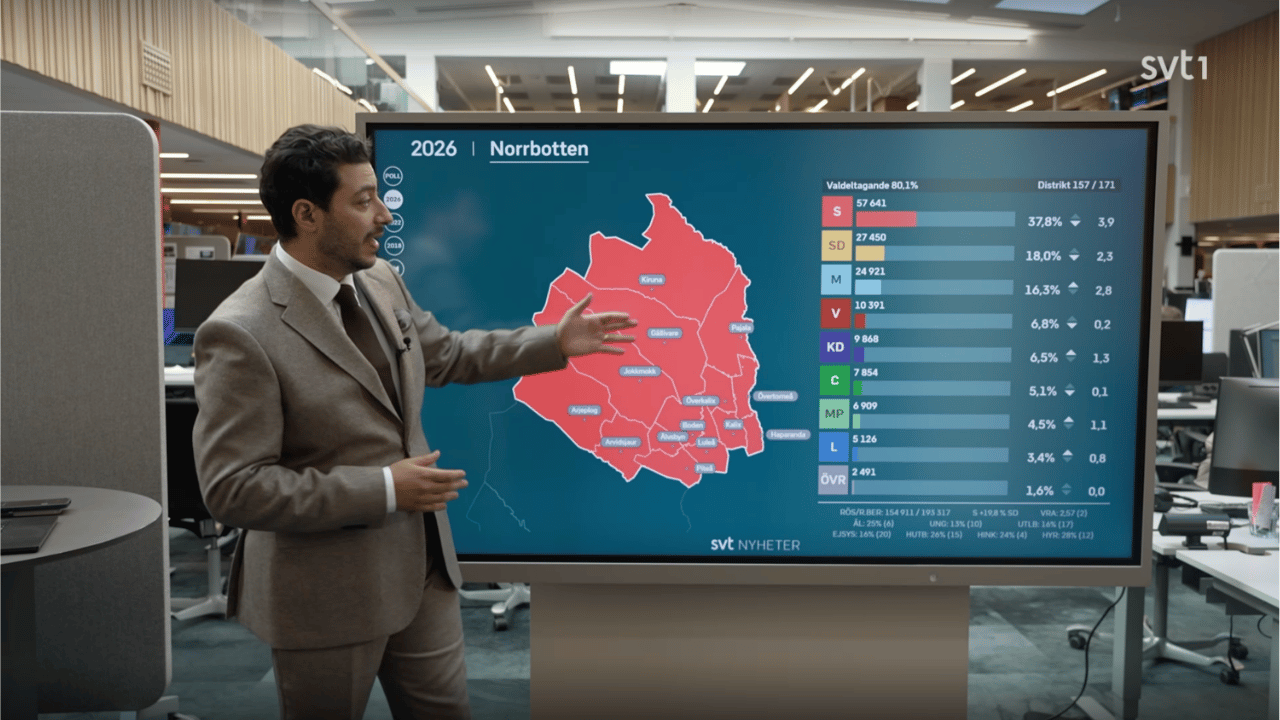
With the 2026 midterms landing this November, broadcast leadership faces a real decision: carry the same infrastructure risk into this cycle that they carried into the last one, or move to a model that costs less to own, deploys faster, and gives the production team more room to adapt when a race changes. For a lot of networks, staying put is the riskier option, and the reason has less to do with features than with how much infrastructure they have to own, staff, and maintain themselves just to get to air.
Traditional election systems are built the way most broadcast infrastructure has always been built: dedicated production servers, procured and installed at each site, paid for well before anyone knows exactly what a given cycle will demand.
That means the broadcaster owns the full lifecycle. Hardware has to be sourced, quoted, and approved, often a months-long process on its own, before a single feed can even be tested. Once it's running, the broadcaster is responsible for maintaining it: patching software vulnerabilities as they're disclosed, keeping the network (firewalls, VLANs, VPNs) configured and secure, and troubleshooting the hardware itself if something fails, all on their own timeline, market by market.
It also ties the team to a location. If the servers live in one specific building, that's where production has to happen.
And every few years that hardware needs to be replaced and re-procured, whether or not it's the right time to spend the capital.
It's a slow accumulation of ownership: cost, staffing, and maintenance the broadcaster carries on its own books, on top of everything else it takes to get to air.
IK Election Insights was built by the team that engineered the original CNN Magic Wall, and the architecture underneath it is built to address the shortcomings broadcasters have long experienced with on-prem election systems.
A legacy system means signing up for all of that: buying it, housing it, staffing it, fixing it. A cloud-native platform like IK Election Insights removes nearly all of that maintenance burden, so the broadcast team can focus on the coverage instead of the servers underneath it.
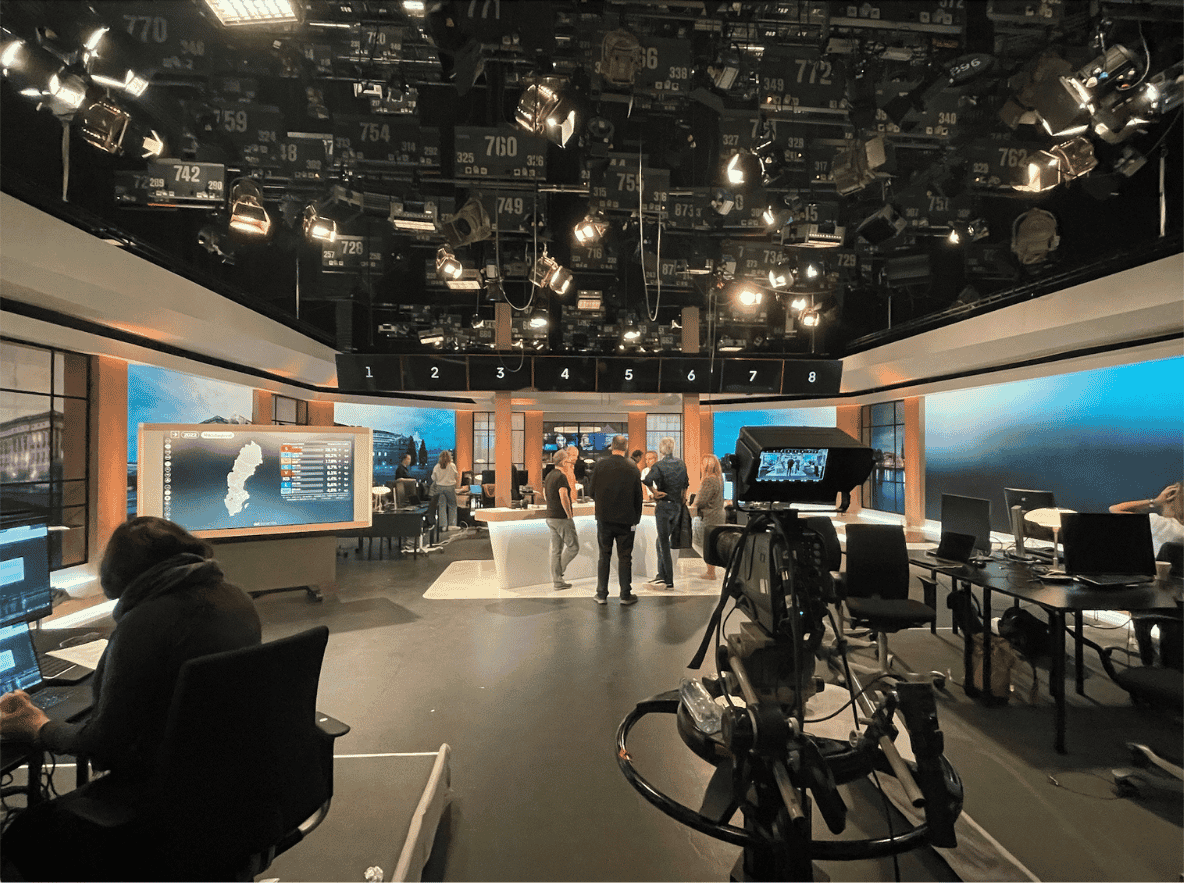
This isn't a new architecture being tested for the first time on the country's biggest night of the cycle. SVT, Sweden's national public television broadcaster, ran three simultaneous elections across more than 6,000 reporting districts over six hours of live coverage without a hiccup in September. The broadcast reached over 3.25 million viewers on SVT1 and saw 3.4 million starts on SVT Play, its on-demand steaming service.
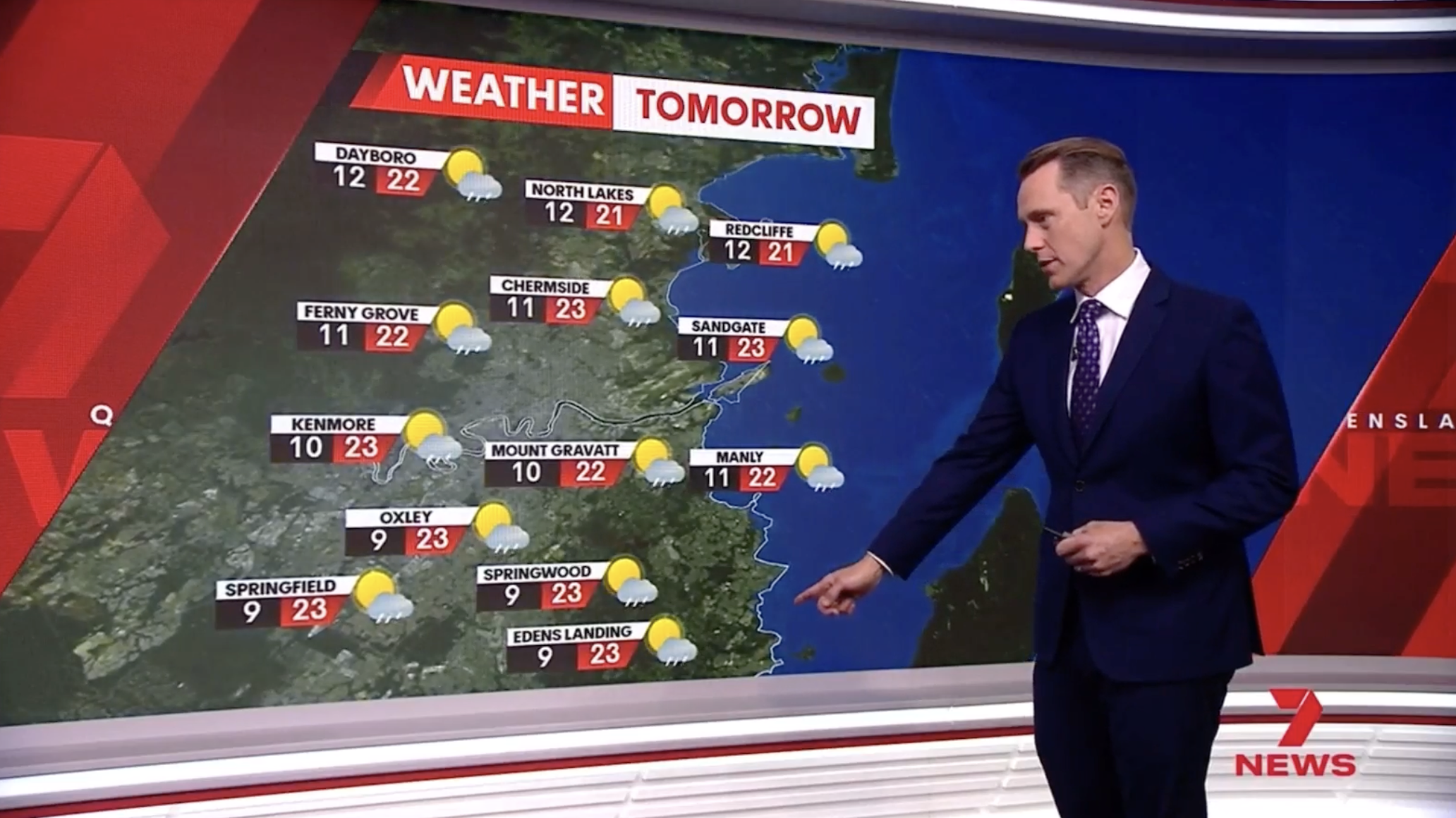
7NEWS Australia built its "Screen of Dreams" segment on the same platform, and NTD in the US has called it "state of the art." None of that happened by accident: IK Election Inisights has supported live election night coverage across 3 continents, with full rehearsals and stress-tests before it ever goes live.
The goal for election night is for the technology to disappear, so the story is the only thing anyone remembers.
With the midterms less than two months out, a four-week deployment window leaves a broadcaster weeks, not months, to decide. That clock starts the day a broadcaster signs, not before, so time spent evaluating comes straight out of that runway. Broadcasters still running infrastructure built for the last cycle have a real, but narrow, window to make a different call for this one. Election night doesn't wait for a decision to get made.
Broadcasters who want to be broadcast-ready before November should start now: book a demo of IK Election Insights to see what a four-week deployment looks like for your markets.
How long does deployment actually take before an election?
IK Election Insights is broadcast-ready in as little as 4 weeks, a meaningfully shorter runway than the infrastructure planning and procurement cycles legacy on-prem systems typically require.
Is a browser-based platform reliable enough for a live, high-stakes broadcast?
InterKnowlogy runs full live dress rehearsals with broadcasters before air, including deliberately introduced failure scenarios, to stress-test the system ahead of the actual broadcast. IK Election Insights has successfully supported high-stakes, primetime election night coverage across 3 continents.
Does cloud-native reduce costs compared to on-prem?
Yes, mainly by removing the upfront capital cost of hardware and the ongoing maintenance costs that come with it. Instead of buying and depreciating servers on a multi-year refresh cycle, broadcasters shift to a predictable operating cost.



.jpeg)


