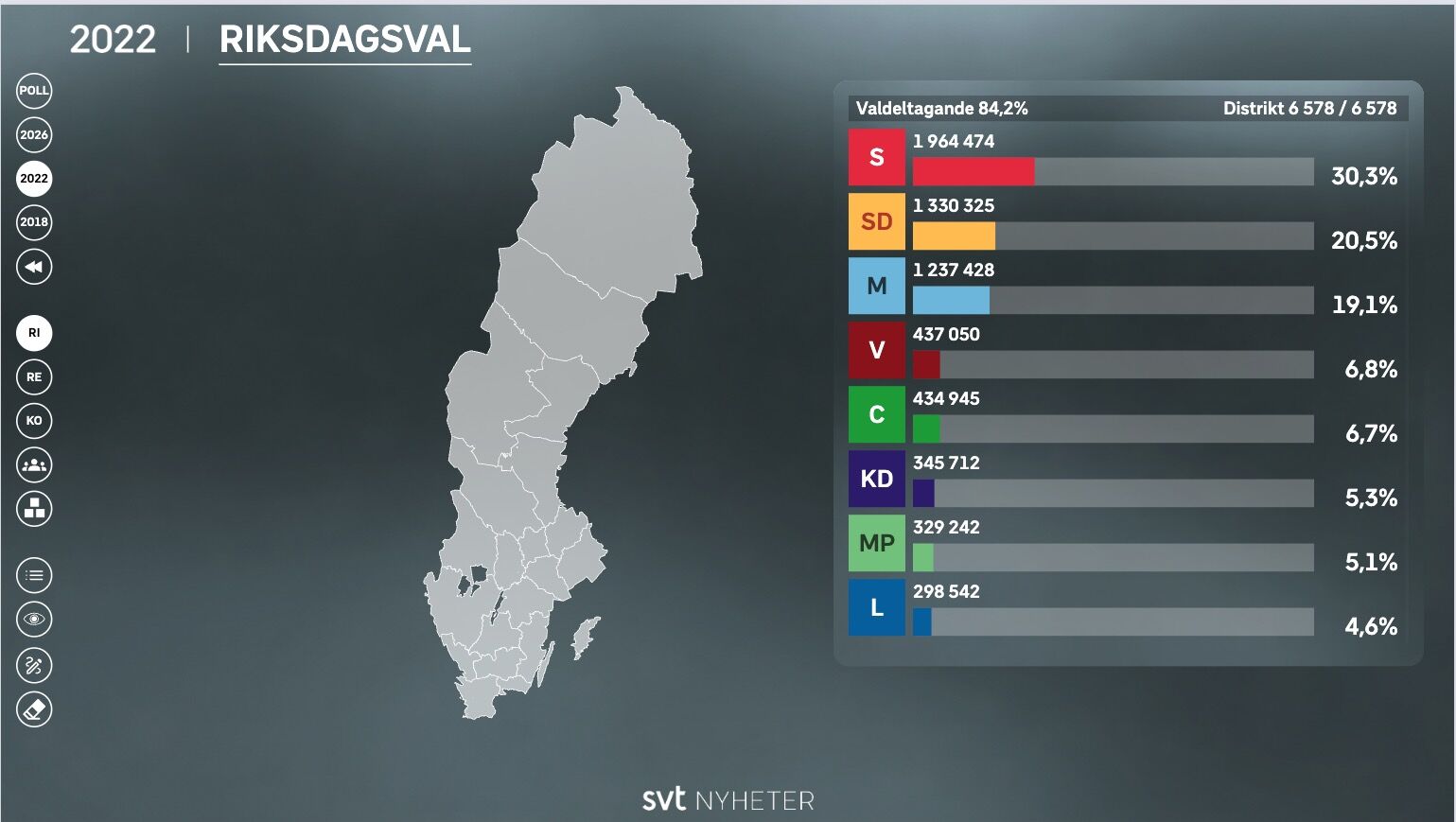
The Magic Wall is a large interactive touchscreen that lets an on-air analyst explore live election results by touching, zooming, and drawing on a map. It debuted on CNN's 2008 election coverage with correspondent John King. Perceptive Pixel, the multi-touch company founded by Jeff Han, built the display hardware. InterKnowlogy built the election-visualization software that ran on it.
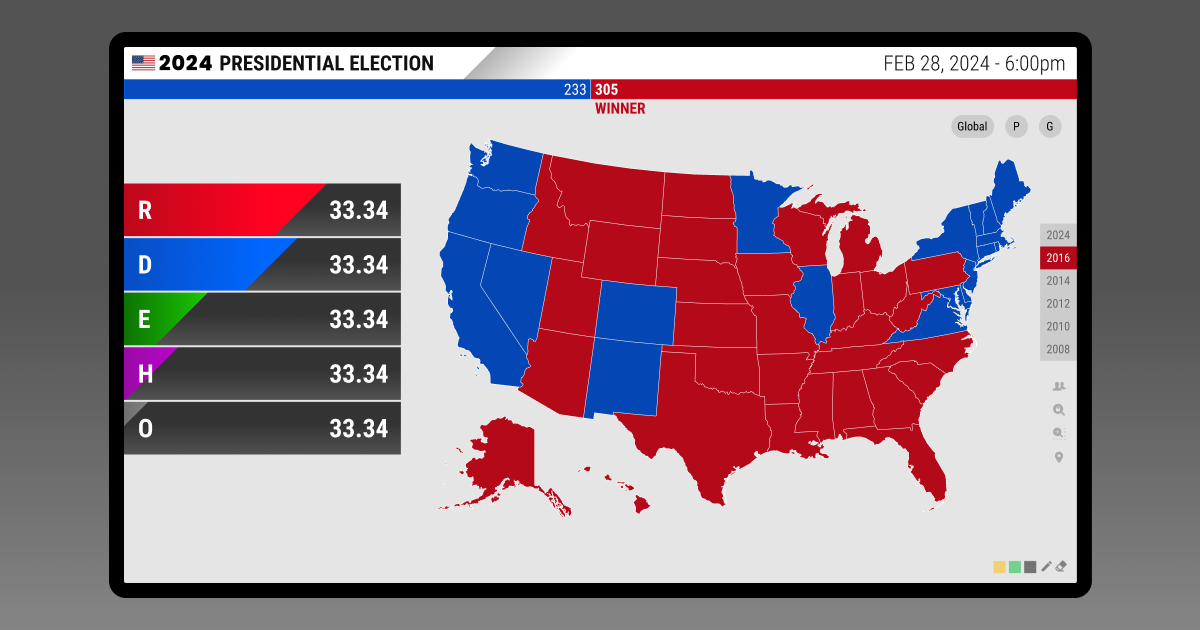
The Magic Wall is a large interactive touchscreen that lets an on-air analyst explore live election results by touching, zooming, and drawing on a map. It debuted on CNN's 2008 election coverage with correspondent John King. Perceptive Pixel, the multi-touch company founded by Jeff Han, built the display hardware. InterKnowlogy built the election-visualization software that ran on it.
The Magic Wall is often credited to a single company, but it combined two separate pieces of technology.
Without the application, the wall is a touchscreen. Without the screen, the application has nothing to run on. Both were needed to put it on air.
The original software had to solve a hard data problem. U.S. states tabulate and report results differently, so the application pulled in live feeds from hundreds of sources, normalized them, and displayed them as one consistent map in real time.
On air, the analyst could:
The wall was used from the primaries through election day and in the days after, not only on a single night.
The Magic Wall changed what audiences expect from election coverage. Viewers now expect an analyst to answer "what does this county mean?" live, on the map, rather than wait for a pre-built graphic. "Magic wall" has since become a general term for any touchscreen election map used on television.
For broadcasters, the lesson is that the screen is the easy part. The value sits in the software: how fast results arrive, how cleanly they are normalized, and how freely the presenter can move through them without a production team rebuilding scenes.
The team that engineered the original Magic Wall software now builds IK Election Insights, a browser-based election broadcast platform.